Flat Feet

Flat Feet

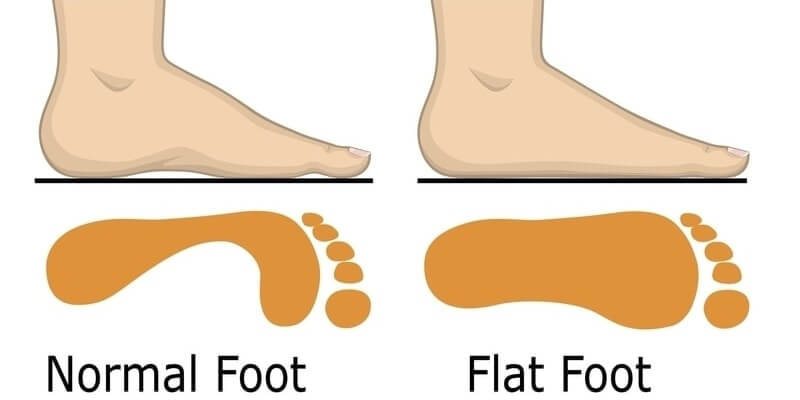
Flat feet occur when the arches of the feet collapse or fail to form properly, causing the entire sole to make contact with the floor. Some people are born with flat feet, while others develop them over time due to tendon strain, injury, arthritis, or aging. Although some individuals experience no symptoms, others may struggle with arch pain, heel pain, fatigue, overpronation, ankle instability, or knee and lower back discomfort.

General Treatment Options

Treatment depends on the severity and symptoms. Supportive footwear and over-the-counter arch supports help many people. Stretching exercises, strengthening routines, and physical therapy can improve alignment and reduce pain. For moderate to severe cases, custom orthotics are often recommended to provide tailored arch support and correct foot mechanics. Surgery is only considered for rigid or severely painful flat feet.
Our Approach at Sole Vista Podiatry

At Sole Vista Podiatry, we perform a detailed foot and gait assessment to understand the structure of your arches and how your feet function when standing or walking. We offer custom orthotics, brace options, and personalized exercise programs to help restore balance, reduce pain, and prevent progression. For complex cases, advanced imaging or surgical referral may be recommended.

Flat feet are causing discomfort or affecting your mobility?
Schedule your appointment today.

07949 547648

Frequently Asked Questions

What are flat feet?
Flat feet occur when the arches of the feet collapse or fail to develop properly, causing the entire sole to touch the ground. Some people are born with flat feet, while others develop them over time due to injury, aging, arthritis, or tendon weakness.
What symptoms can flat feet cause?
Many individuals experience no symptoms, but others may develop arch pain, heel pain, ankle fatigue, shin splints, knee discomfort, or difficulty standing or walking for long periods. Flat feet can also contribute to poor posture and imbalance.
How are flat feet diagnosed?
A podiatrist evaluates your arch height, gait pattern, flexibility, and foot alignment. Imaging may be used to assess joint health or detect conditions like tendon dysfunction.
What treatments help flat feet?
Treatments include custom orthotics to support the arch, stretching exercises, supportive footwear, physical therapy, and weight management. In cases of severe deformity or tendon failure, surgical correction may be recommended.
Can flat feet be corrected?
Flexible flat feet in children sometimes improve naturally, while adult flat feet typically require supportive treatment. Although the arch may not fully “rise,” proper management can eliminate pain, restore function, and prevent progression of deformity.
Cart (0 items)
Select the fields to be shown. Others will be hidden. Drag and drop to rearrange the order.
  • Image
  • SKU
  • Rating
  • Price
  • Stock
  • Availability
  • Add to cart
  • Description
  • Content
  • Weight
  • Dimensions
  • Additional information
Click outside to hide the comparison bar
Compare